Quick Answer
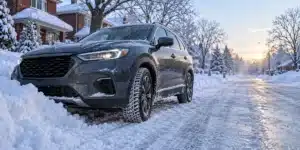
On icy Waterloo roads, all-season tires lose their grip because their rubber hardens below about seven degrees and their tread cannot bite into packed snow. Winter tires use a softer compound and aggressive siping to stay flexible and hold the ice, giving you shorter stops and steadier control on your daily commute.
Every fall, the all-season vs winter tires Ontario question lands on our counter as soon as the frost shows up. Drivers tell us the same story: the road looked clear, they tapped the brakes, and the car just kept moving. At Jerry Zister’s, we have heard it for decades, and the fix is almost always simpler than people expect. This article walks you through why those do-it-all tires struggle in the cold, what actually changes when the temperature drops, and how the right set keeps your family safe on every slick morning around Kitchener-Waterloo.
Table of Contents
- The real problem on icy mornings
- All-season vs winter tires Ontario: what actually changes in the cold
- Winter tire grip on ice: the science of soft rubber
- Best tires for Ontario winter commute: matching rubber to your drive
- More than tires: a full winter-ready checkup
- What to expect when you visit
- FAQ
- Conclusion
The real problem on icy mornings
You back out of the driveway, the pavement looks fine, then you touch the brakes at the first light and feel the car keep sliding. That heart-in-throat moment is familiar to anyone who commutes through the region once the cold truly settles in.
Here is the thing, though. The trouble is usually not the driver. It is the rubber under the car. All-season tires are designed to do a reasonable job across many conditions, which means they are never truly optimized for any single extreme. On ice, that built-in compromise shows itself fast.
All-season vs winter tires Ontario: what actually changes in the cold
Here is the part most drivers never hear. The rubber compound in a three-season tire begins to stiffen once the temperature drops below roughly seven degrees Celsius. Hard rubber cannot conform to the road surface, so you lose traction long before you ever see a single flake of snow.
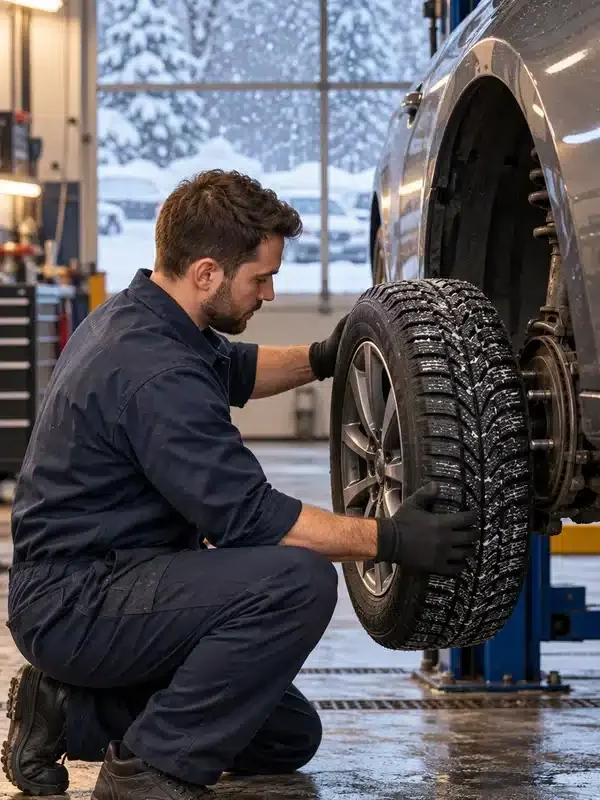
Winter tires are a completely different animal. Their compound stays soft and pliable in the cold, and the tread is packed with tiny slits called sipes that grab snow and channel away slush. Set the two side by side, and the gap in cold-weather bite is honestly dramatic.
Because of that, running summer-friendly rubber through a Waterloo Region winter is a bit like wearing dress shoes on a skating rink. They work fine until the surface turns slick.
Winter tire grip on ice: the science of soft rubber
Winter tire grip on ice comes down to two things: flexibility and biting edges. A soft tread can mould itself to the microscopic texture of an icy surface, while thousands of sipe edges dig in like tiny claws. More edges simply means more contact with the road.
This matters most during the short, dark drives of the season, when black ice hides on bridges and shaded corners you take every day. Stopping distances on ice can shrink considerably with proper winter rubber, and that extra few feet is often the difference between a near miss and a fender bender.
Best tires for Ontario winter commute: matching rubber to your drive
There is no single answer to the best tires for Ontario winter commute, because the right set depends on your vehicle, your route, and how far you drive. A short city hop through Waterloo asks different things than a daily Cambridge-to-Kitchener highway run.
At Jerry Zister’s, we carry a full lineup from trusted names like Michelin, Goodyear, Bridgestone, Hankook and BFGoodrich, in every size for every make and model. We walk you through the honest trade-offs and never push you toward something you do not need. Browse our wheels and tires selection and we will size the right set for you.
Once your winter set is chosen, we handle mounting, balancing, seasonal changeover and even storage, so your summer rubber has a safe home until the warm weather returns. No hassle, no surprises.
More than tires: a full winter-ready checkup
Great tires are only part of staying safe. As the evenings start to cool, your braking system works harder on slick roads, so a quick brake repair and inspection gives you real peace of mind before the first frost.
We also check the battery, antifreeze and overall condition during routine general car maintenance. Cold weather is hard on a weak battery, and proper coolant keeps your engine protected when temperatures plunge.
Uneven handling in winter can also point to alignment trouble. If your car pulls or the steering feels off, our wheel alignment service helps your new tires wear evenly and grip the way they should. Worn suspension plays a role too, so it helps to learn how to tell if your struts are worn.
What to expect when you visit
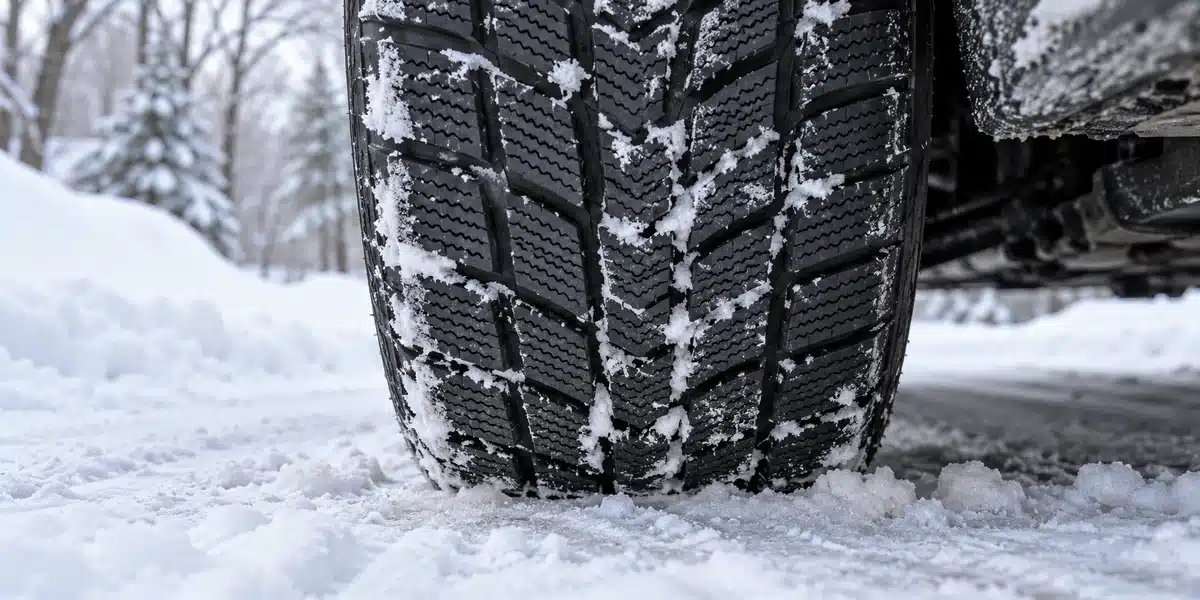
When you bring your vehicle in, we start with a straight conversation about how and where you drive. From there, we recommend a winter set that fits your needs and your budget. Pricing varies by make, model and tire size, so we give you a clear quote before any work begins.
As your neighbourhood mechanics since 1967, three and now four generations of the Zister family have kept Kitchener-Waterloo moving through tough winters. We treat your car like our own, and we tell you exactly what it needs. Nothing more, nothing hidden.
FAQ
Do I really need winter tires if I have all-seasons?
For icy Ontario commutes, yes. Three-season tires harden in the cold and lose grip below about seven degrees, while winter tires stay soft and bite into snow and ice. If your mornings involve frost, bridges or shaded corners around Kitchener-Waterloo, a dedicated winter set gives you shorter stops and steadier control. We are always happy to explain the trade-offs honestly so you can decide what truly fits your drive.
When should I switch to winter tires?
The simple rule is to change over once daytime temperatures consistently hover near seven degrees Celsius, which usually lines up with the first frost. Making the switch before the cold truly settles in means you are protected for those early icy mornings rather than scrambling after the first storm. We handle the seasonal changeover and can store your summer tires until spring.
Can you store my summer tires?
Yes. Our seasonal tire storage keeps your off-season set clean, safe and out of your garage. When the warm weather returns, we swap them back on, balance everything and check your pressures. It is one less thing for you to carry, lift, or find room for at home, and it keeps both sets in better shape over time.
How much do winter tires cost?
Pricing depends on your vehicle make, model and the tire size you need, so there is no single number we can post online. The honest answer is to ask us for an estimate. We will show you solid options at different price points, with no hidden charges, and let you choose what works best for your family and your budget.
Conclusion
When the roads turn slick, the all-season vs winter tires Ontario choice really comes down to one thing: keeping your family safe on the way to work and school.
Winter rubber stays soft, grips the ice and stops shorter, giving you genuine confidence on every cold commute through Kitchener-Waterloo.
At Jerry Zister’s, your neighbourhood mechanics since 1967, we will help you pick the right set and get your whole vehicle winter-ready. Reach out today for an honest quote.